The practical answer.
Link mission requirements, pack identity, service strategy and traceable acceptance before ordering batteries for multiple robots.
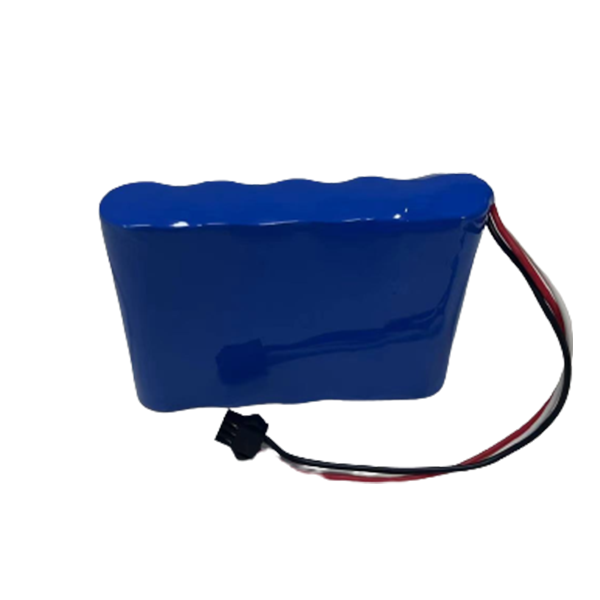
Standardize the actual operating requirement
A fleet can contain identical robots performing different work. Record the demanding but representative mission profiles, payloads, schedules and charging opportunities before standardizing a battery. Identify whether one configuration can serve all units or whether clearly controlled variants are necessary. Do not choose a fleet pack solely from the lightest route's runtime result. A shared requirements baseline helps the supplier and robot team discuss the tradeoff between standardization, capacity, weight and the operational flexibility the fleet needs.
Define the replacement and service model
Decide whether packs are replaced by users, technicians or the manufacturer. State the required tools, access, connector handling and identification process. A spare battery is useful only if its configuration and condition suit the intended robot. Keep approved replacement part numbers and instructions clear, especially when different firmware or communication versions exist. Ask how long stored spares may remain ready for use and follow the supplier's product-specific storage guidance. Service planning should be part of procurement rather than an afterthought after the first failure.
Require traceable battery identity
Ask for pack serial or lot identification and the records needed to connect a unit with its approved configuration. Keep cell model, BMS firmware, connector and drawing revisions in the baseline. This information helps investigate a problem without assuming that every robot or every pack in the fleet is affected. Define how proposed substitutions will be communicated and approved. A commercial model name alone may not provide enough detail to distinguish versions that need different software settings or validation evidence.
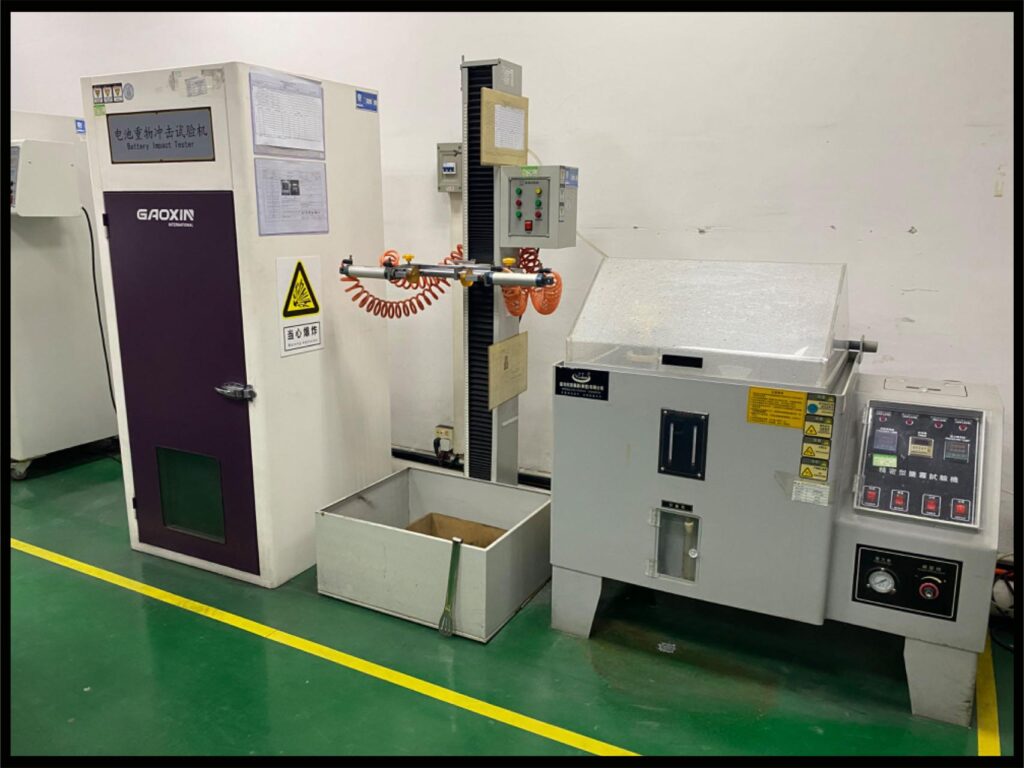
Use representative acceptance checks
Agree receiving checks and a sample evaluation plan that reflect the fleet's mission. Include mechanical fit, interface behavior, charging and operational performance under specified conditions. Preserve the test method and results so later deliveries can be compared meaningfully. Monitor field observations using consistent definitions, such as mission completion or charging interruptions, rather than vague comments about battery quality. Qualified engineers should investigate abnormal behavior and decide corrective action. Avoid ad hoc attempts to bypass protection or recover damaged units in routine fleet maintenance.
Compare total project responsibilities
Ask each supplier to state what is included in the pack quotation, documentation, development support and service process. Confirm current minimum order quantities, lead times and commercial terms for the approved configuration. Price comparisons should account for remaining integration work and uncertainty as well as unit cost. For a Jetray project, send the fleet mission brief and proposed service model with the RFQ. That gives the battery discussion a practical operational context and supports a controlled route from samples to repeat orders.
Bring these points into the inquiry.
Use the checklist to organize a project discussion, then request the exact model specification, drawing and relevant evidence.
| Review point | Information to agree with the supplier |
|---|---|
| Measure the mission profile | Capture the load during start-up, acceleration, turns, payload handling and idle periods. |
| Coordinate control interfaces | Confirm voltage limits, BMS signals and the system response to protection events. |
| Test the charging workflow | Evaluate charging opportunity, connector wear, temperature monitoring and the return-to-service criteria. |
Sources & further reading
Prepared for the robotics & agv battery projects collection. General engineering guidance does not replace a model-specific datasheet or application validation. Source review: 4 November 2026.